












Online



Product Inquiry
All Product Categories
Simple palletizing machine

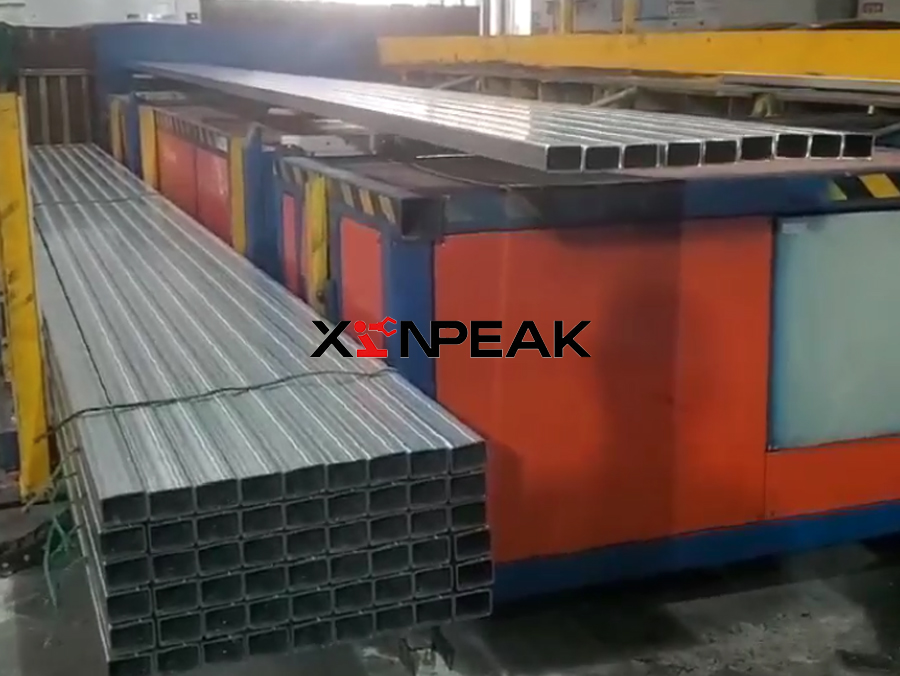
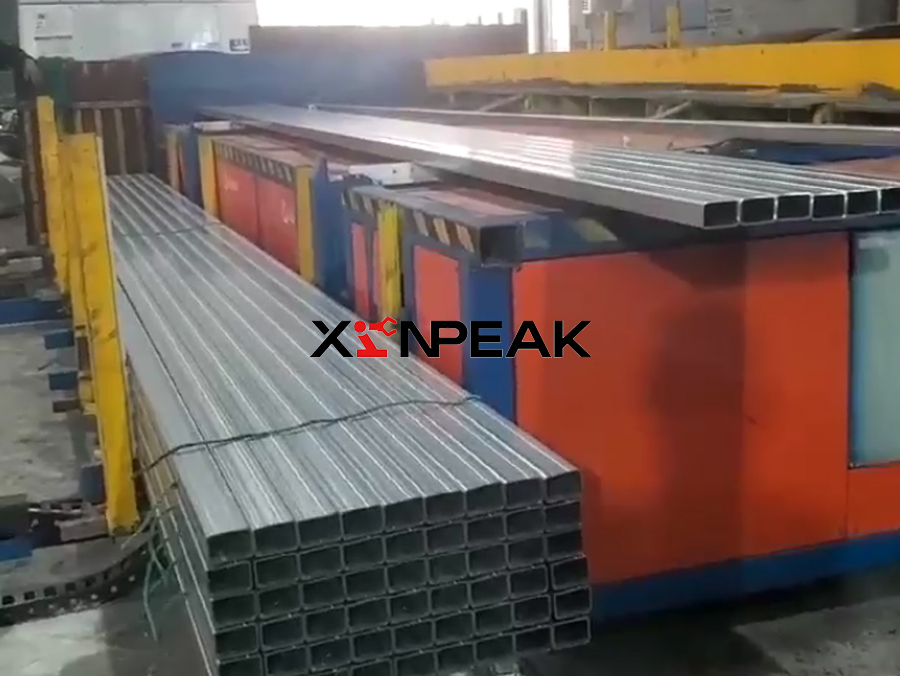

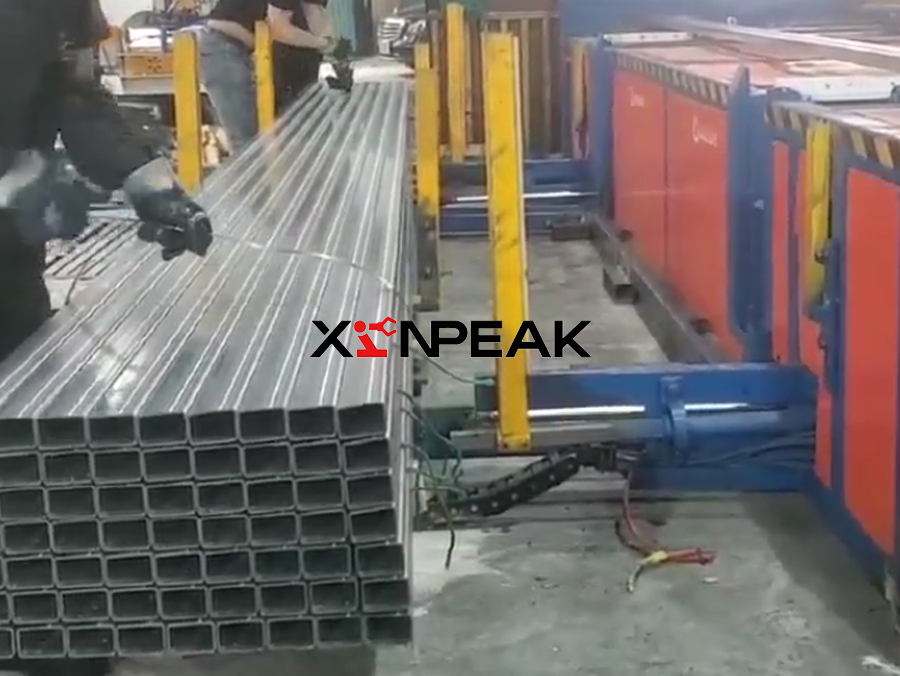
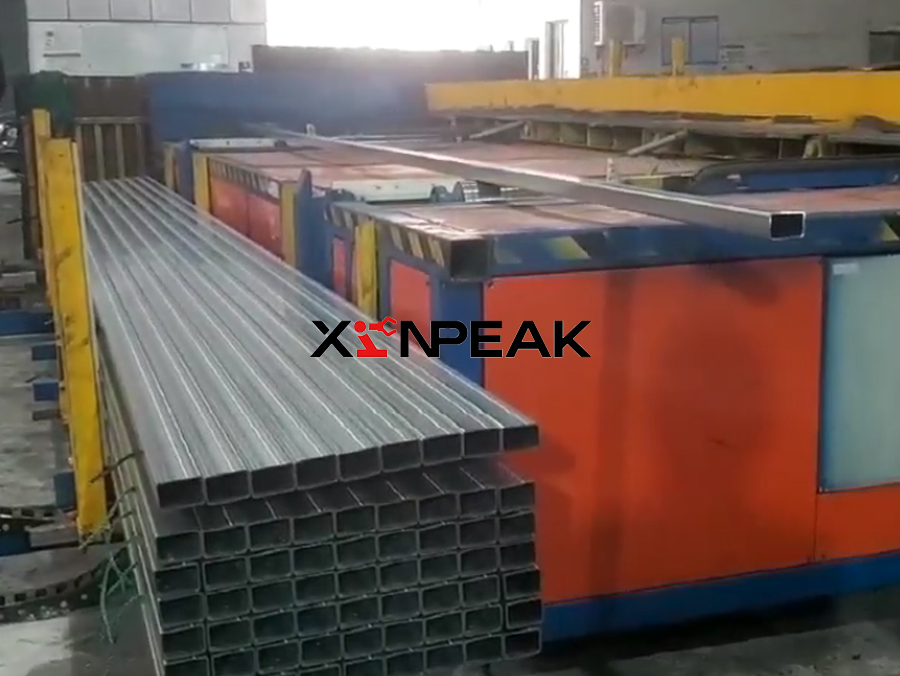
Simple palletizing machine

Parameters
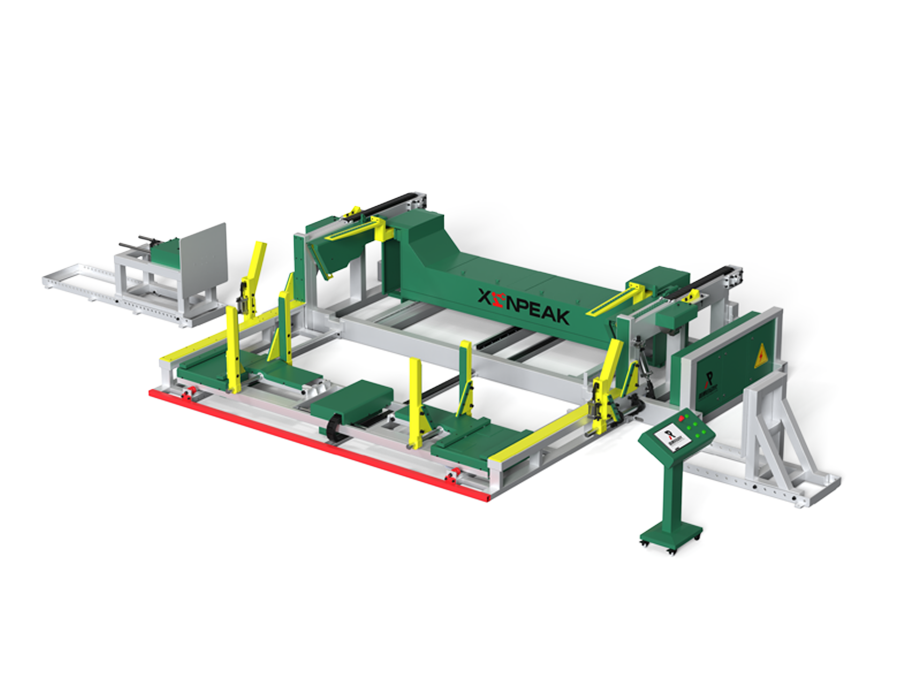
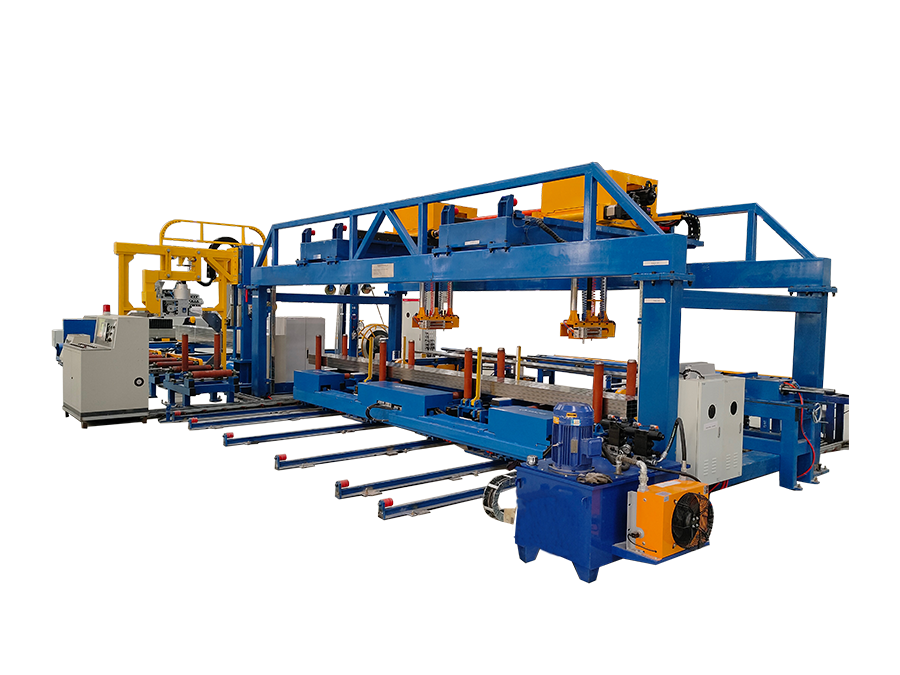
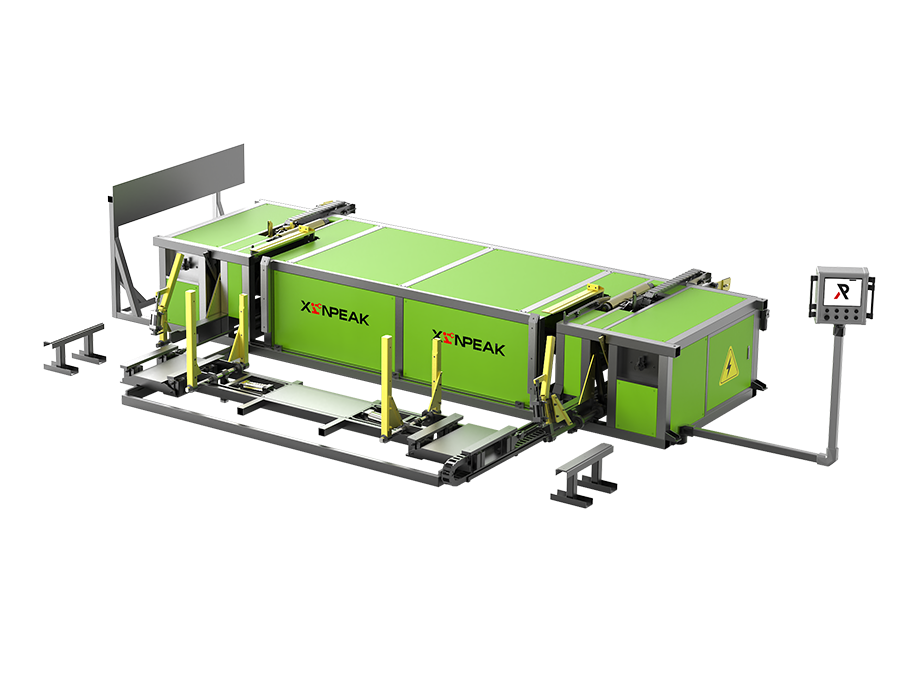
The simple palletizing machine system is used for automatic collection and palletizing of steel pipes. Its workflow is as follows: first, the steel pipes cut to the set length by a flying saw are transported by a conveyor frame and hit an inclined collision plate, causing them to roll onto the conveyor chain of the palletizing machine. Subsequently, the conveyor chain transports the steel pipe forward until it is stopped by the front baffle. The key step is completed by the flipping mechanism: when the steel pipe is sensed by the photoelectric switch, the flipping action will flip the entire layer of steel pipe forward to the stacking position below. Next, the fork arm mechanism intervenes to adjust the formed layer of steel pipes to the predetermined position and arrange them precisely in a hexagonal shape. The system repeats the above collection, flipping, and arrangement processes layer by layer. When the number of layers reaches the set value, a complete hexagonal tube package is formed. At this point, the palletizing and unpacking trolley carries the formed pipe packages out of the workstation and transports them to the designated unpacking point. Finally, workers manually pack the pipes and securely tie them with strapping straps for subsequent storage or transportation. The entire system achieves continuous collection, directional arrangement, and layered stacking of steel pipes through mechanical automation, significantly improving stacking efficiency and package regularity. Finally, manual bundling is used to complete factory preparation.

After-Sales Service

After-Sales Service Commitment
01
01
After-Sales Service Commitment
We cover repair costs within the warranty for quality issues and provide 24/7 customer support. We respond within 4 hours to resolve problems quickly.

Installation and Debugging
02
02
Installation and Debugging
Our technical team will install and debug the equipment on-site, ensuring proper setup and smooth operation.

Operational Training
03
03
Operational Training
We provide operator training to ensure correct use, reducing faults. We also train on maintenance and minor repairs to extend equipment life.

Technical Support and Consultation
04
04
Technical Support and Consultation
Clients can reach technical support anytime via phone, email, or online. For complex issues, we offer remote assistance or send technicians on-site if needed.

Maintenance and Care
05
05
Maintenance and Care
We provide regular maintenance to ensure efficient operation and prevent faults. In case of failure, we offer emergency repair services to minimize downtime.

Follow-Up and Feedback
06
06
Follow-Up and Feedback
We regularly follow up with clients to gather feedback and resolve issues, using it to improve our products and services.
Processing Center
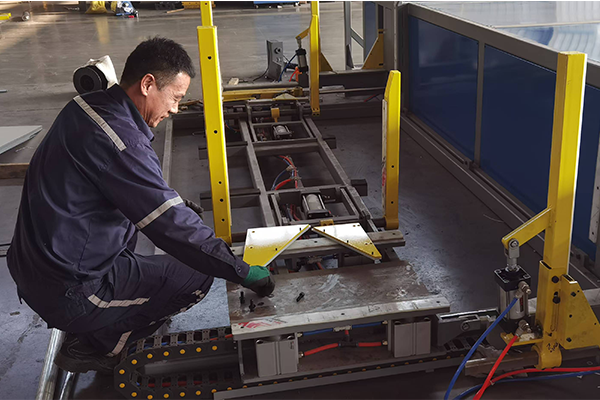
Processing Center
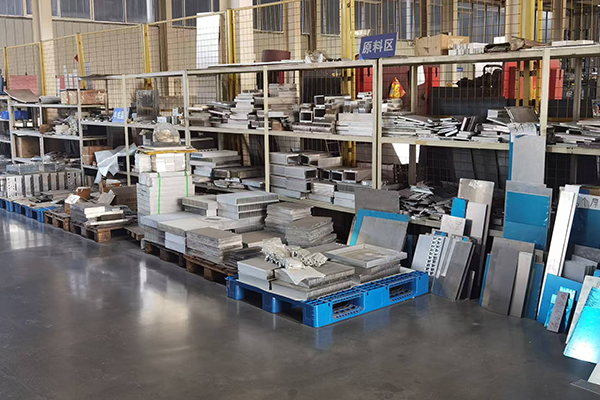
Processing Center
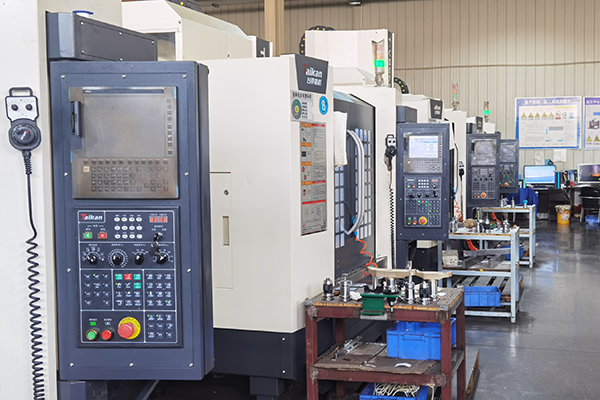
Processing Center
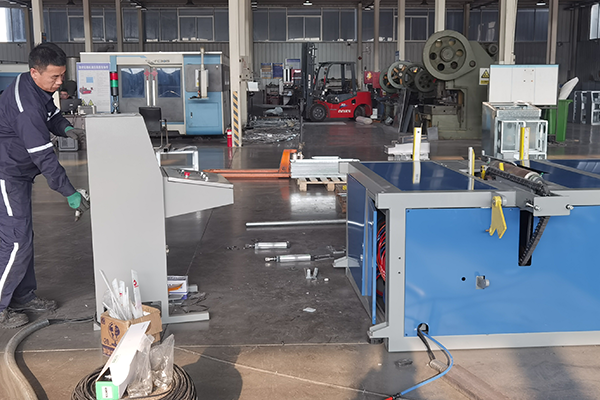
Processing Center
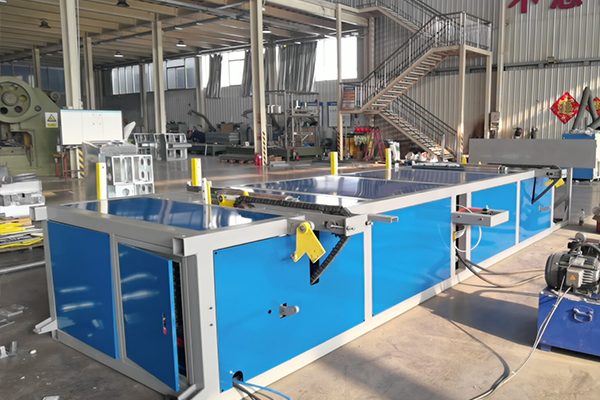
Processing Center
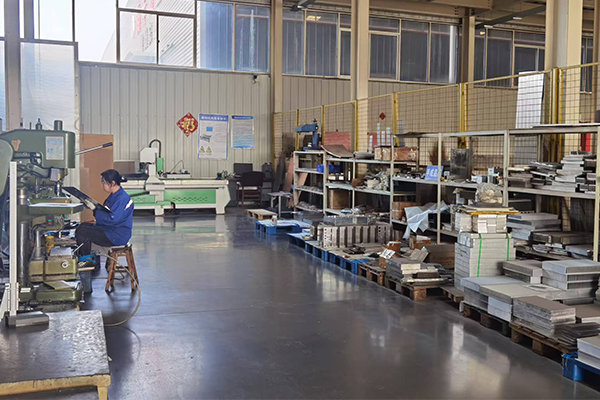
Processing Center
Production Process


Requirements Analysis and Solution Design

Raw Material Procurement and Inspection
Production Preparation
Cutting and Processing
Bending and Forming
Welding and Assembly
Surface Treatment and Coating
Assembly and Debugging
Quality Inspection and Testing


Contact Us
You can contact us through the following four methods. We will reply to your inquiry within 2-8 hours after receiving it!
Call Us
Send Email
Leave a Message
Add WeChat or WhatsApp