












Online



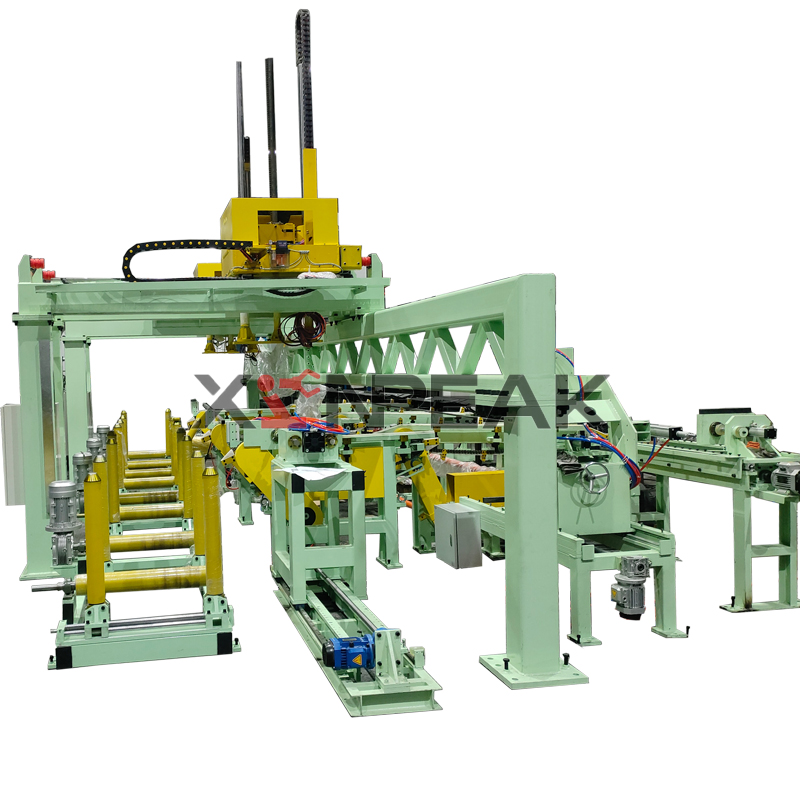
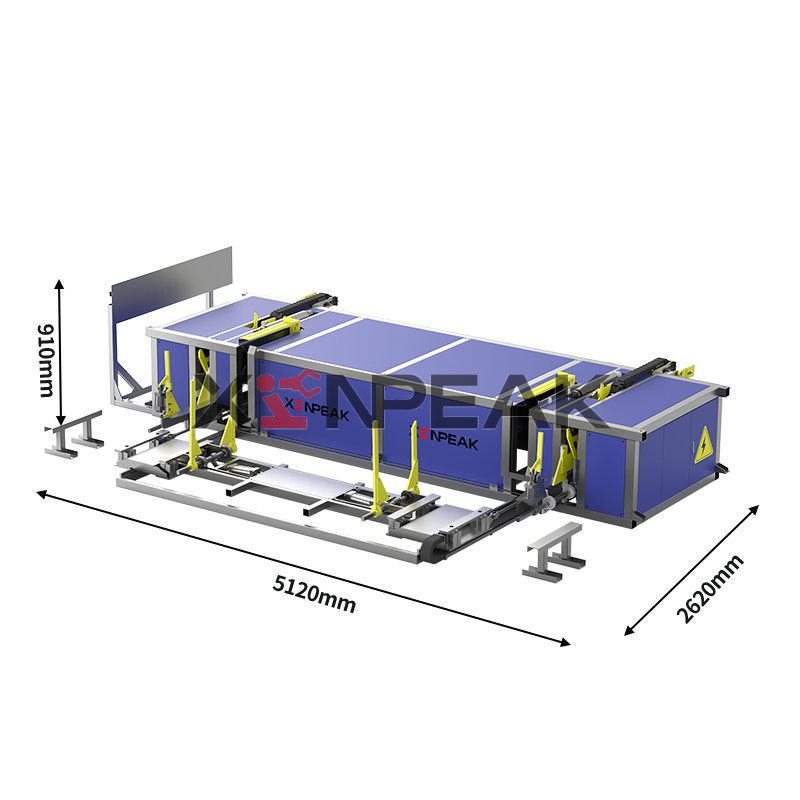
Steel Pipe Palletizer Operating Specifications
2025-12-30
Steel Pipe Palletizer Operating Specifications
I. Pre-Operation Preparation
Equipment Inspection
Inspect mechanical components: Verify that key components such as chains, bearings, grippers, and clamps are free of looseness, wear, or damage to ensure a stable mechanical structure.
Inspect the electrical system: Verify that electrical components such as sensors, encoders, and control buttons are functioning properly and are free of short circuits or poor contact.
Inspect safety devices: Verify that safety devices such as guardrails, emergency stop buttons, and safety light curtains are in good working order to avoid operational risks.
Lubrication and Maintenance: Lubricate moving parts such as guide rails and gears to reduce wear and improve smooth operation.
Environmental Verification
Clean the work area: Remove obstacles and ensure adequate space around the equipment for palletizing operations.
Maintain a clean and tidy environment: Avoid debris that interferes with equipment operation and ensure adequate lighting and ventilation.
Material Preparation
Verify steel pipe information: Verify the size, weight, shape, and other characteristics of the steel pipe to ensure compatibility with the equipment.
Inspect steel pipe quality: Remove deformed, damaged, or surface-defective steel pipes to prevent them from affecting palletizing stability. Prepare the Pallet: Select a pallet that meets the required dimensions and is free of damage, oil, or wear. Ensure it can support the weight of the steel pipes.
II. Operation Procedure
Start the Equipment
Connect the Power Supply: Ensure the voltage is stable and meets the equipment requirements to avoid voltage fluctuations that could damage electrical components.
Start the Air Supply (if applicable): Check that the air pressure meets the equipment's operating requirements and ensure the pneumatic system is functioning properly.
Run the Equipment Self-Test: After startup, observe the equipment's self-test process to confirm that all components are functioning properly and there are no abnormal alarms.
Set Parameters
Palletizing Method: Select vertical or horizontal stacking based on the characteristics of the steel pipes to ensure stable palletizing.
Number of Layers and Columns: Set the number of layers per layer and the total number of layers based on the steel pipe size and pallet capacity to avoid overloading.
Lifting Height: Adjust the lifting parameters based on the shelf or pallet height to ensure the palletizer can successfully complete the stacking.
Speed Parameters: Set the lifting speed and travel speed based on production requirements to balance efficiency and safety.
Place the Steel Pipes
Designated Location: Place the steel pipes in the designated infeed area of the palletizer, ensuring stable and neat placement. Adjust the position: Adjust the direction and angle of the steel pipes according to the palletizing requirements to better accommodate the gripping mechanism.
Start Palletizing
Start the process: Press the start button, and the equipment will automatically perform the gripping, handling, and stacking operations.
Monitor the operation: Closely observe the equipment's operating status to ensure secure gripping, smooth handling, and neat stacking.
Anomaly Handling: If you notice any equipment stalling, pipes falling, or uneven stacking, immediately press the emergency stop button and investigate the cause.
Complete Palletizing
Automatic Stop: When the palletizing task is completed, the equipment will automatically stop and issue a warning signal.
Inspect the results: Confirm that the steel pipes are stacked neatly and stably, with no risk of tilting or collapsing.
Remove the pallet: Remove the pallet filled with steel pipes from the work area and prepare a new pallet for the next round of palletizing.
III. Precautions
Safe Operation
Wear protective equipment: Wear protective glasses and gloves when operating to avoid scratching the steel pipes or pinching the equipment.
Do not touch moving parts: When the equipment is in operation, do not put your hands into the moving area to prevent safety accidents. Emergency Procedures: In the event of equipment failure or abnormality, immediately press the emergency stop button, disconnect the power supply, and contact professional maintenance personnel.
Equipment Maintenance
Regular Cleaning: Regularly clean dust and oil from the equipment surface to keep it clean and prevent corrosion.
Inspection of Wearing Parts: Regularly inspect wear on wearing parts such as chains and bearings, and replace damaged parts promptly.
Lubrication and Maintenance: Lubricate and maintain moving parts according to the equipment manual to extend the service life of the equipment.
Cargo Inspection
Pre-Palletizing Inspection: Ensure that the steel pipes are free of damage, deformation, and clean to avoid compromising palletizing performance.
Dimension Matching: Confirm that the steel pipe dimensions are compatible with the equipment's gripping mechanism to avoid gripping failure or equipment damage due to dimensional mismatches.
Parameter Adjustment
Adjustments based on actual conditions: During the palletizing process, adjust equipment parameters as needed based on factors such as pipe characteristics and production cycle time to optimize palletizing performance.
Avoid Frequent Parameter Changes: After parameter adjustments, conduct testing and verification to ensure stable operation before batch palletizing. Operating Instructions
Observe operating procedures: Operate strictly in accordance with the equipment manual and operating procedures. Do not arbitrarily change programs or parameters.
Prohibit illegal operations: Illegal operations such as overloading and forcibly interfering with equipment operation may cause equipment damage or safety accidents.
Related News
Xinpeng Electronics Chassis Manufacturing Promotes Industry Upgrading, Intelligent Warehousing and Transportation Systems Are Popular in the Market
Xinpeng Electronics accelerates intelligent transformation in chassis manufacturing and sets a new benchmark for automated manufacturing
Cangzhou Xinpeng Intelligent Equipment: Using sheet metal and machining as wings to explore the new blue ocean of intelligent manufacturing
Cangzhou Xinpeng Intelligent Equipment successfully developed a new steel pipe automatic palletizer
Steel pipe automatic palletizer shipped to Vietnam
Automatic round tube palletizer
Working principle of steel pipe palletizer
How is the stacking efficiency of the steel pipe automatic stacking machine?
Precautions for using steel pipe palletizer
Steel Pipe Palletizers: An Efficiency-Boosting and Cost-Saving Option
Introduction to Round and Square Tube Palletizers
Customized Solutions for Automatic Steel Pipe Palletizers
How many layers can an automatic steel pipe palletizer stack?
Automatic Steel Pipe Palletizer Selection Recommendations
What Factors Affect the Price of Automatic Steel Pipe Palletizers?
How is the Galvanized Pipe Palletizer?
How efficient are automatic steel pipe palletizers?
Universal Palletizer for Square and Round Pipes
Steel pipe palletizing machines can automatically palletize
How many times faster is an automatic steel pipe palletizer than a manual one?
What to Consider When Purchasing a Steel Pipe Palletizer
What are the core components of a steel pipe palletizer?
What is a servo motor steel pipe palletizer?
What materials of pipes are suitable for pipe palletizers
How to use the steel pipe palletizer
How is the intelligent stacking technology of the palletizer realized?
Steel pipe palletizer selection and maintenance recommendations
Design concept of steel pipe palletizer
Precautions for using steel pipe palletizer
What are the advantages of automatic steel pipe palletizers?
Automatic steel pipe palletizers are the ideal choice for improving efficiency and reducing costs
What is an automatic steel pipe packing machine
How to maintain steel pipe palletizer
Working principle of steel pipe palletizer
What are the advantages of automatic steel pipe palletizers over manual palletizers?
How can steel pipe manufacturers improve palletizing efficiency?
Steel pipe palletizer selection recommendations
How to clean the visual sensor lens of steel pipe palletizer
How do palletizers automatically handle, stack, and package steel pipes?
What are the technical advantages of automatic steel pipe palletizers?
Development trend of steel pipe palletizing machine
Intelligent Warehousing Steel Pipe Palletizer
What is a Welded Pipe Palletizer?
What are the core features of automatic steel pipe palletizers?
What are the application scenarios for automatic steel pipe palletizers?
Steel Pipe Palletizers: An Efficiency-Boosting and Cost-Saving Option
What are the common faults and troubleshooting methods for steel pipe palletizers?
Principle of automatic steel pipe palletizing machine
Technical composition and principle of automatic steel pipe palletizing machine
Working Principle of an Automatic Steel Pipe Palletizer
Automatic Steel Pipe Bundling and Palletizing Machine
How does an automatic steel pipe palletizer accomplish its packaging tasks?
What is a Pipe Palletizer?
Functional configuration of steel pipe palletizing machine
Steel pipe bundling automatic palletizing forming machine
Introduction to Steel Pipe Stacking Machine in Steel Plant
How long steel pipes can the steel pipe palletizer handle
Introduction to Automatic Stacking and Packaging Machine for Steel Pipes
Application of Automatic Stacking Machine for Pipe Materials in the Steel Pipe Industry
Automatic palletizing machine for welded pipes
Longmen type pipe automatic palletizing machine: a powerful assistant for intelligent warehousing
Introduction to Steel Pipe Stacking Machine in Steel Plant
What is an automatic steel palletizing machine
What is a pipe automatic palletizer
What is a steel pipe palletizer
Steel pipe palletizer: the core equipment for automated steel pipe processing
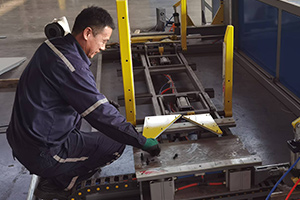
In the context of the rapid development of modern manufacturing, intelligent warehousing and automated conveying systems are gradually becoming an important means for enterprises to improve production efficiency. Cangzhou Xinpeng Electronic Chassis Manufacturing Co., Ltd. has successfully developed a series of efficient and intelligent automated storage and conveying systems with its profound accumulation in sheet metal processing and machinery manufacturing, which are widely welcomed by the market.
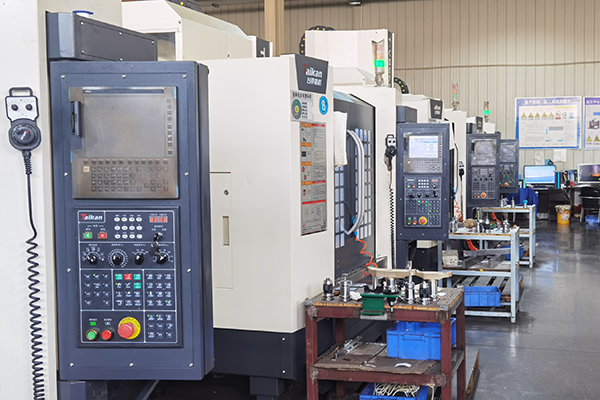
In recent years, with the deepening of the intelligent transformation of the manufacturing industry, Cangzhou Xinpeng Electronic Chassis Manufacturing Co., Ltd. has continuously increased its investment in technological research and development, successfully achieved the leap from traditional sheet metal processing to automated equipment manufacturing, and is committed to providing efficient and precise automation solutions for the field of intelligent manufacturing.
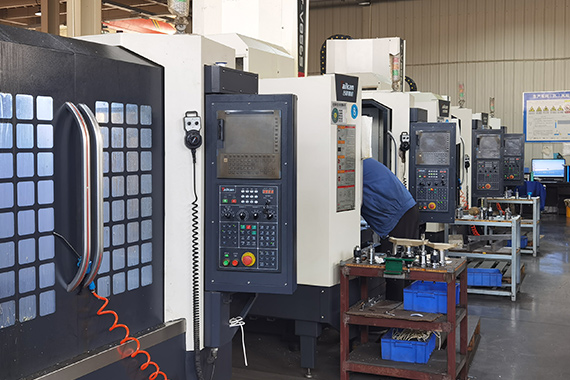
In the wave of intelligent manufacturing, Cangzhou Xinpeng Intelligent Equipment Co., Ltd. is like a ship sailing steadily forward. Relying on its profound accumulation in the fields of sheet metal processing and machining, it continues to explore new paths for intelligent manufacturing, injecting new vitality into the development of the industry.
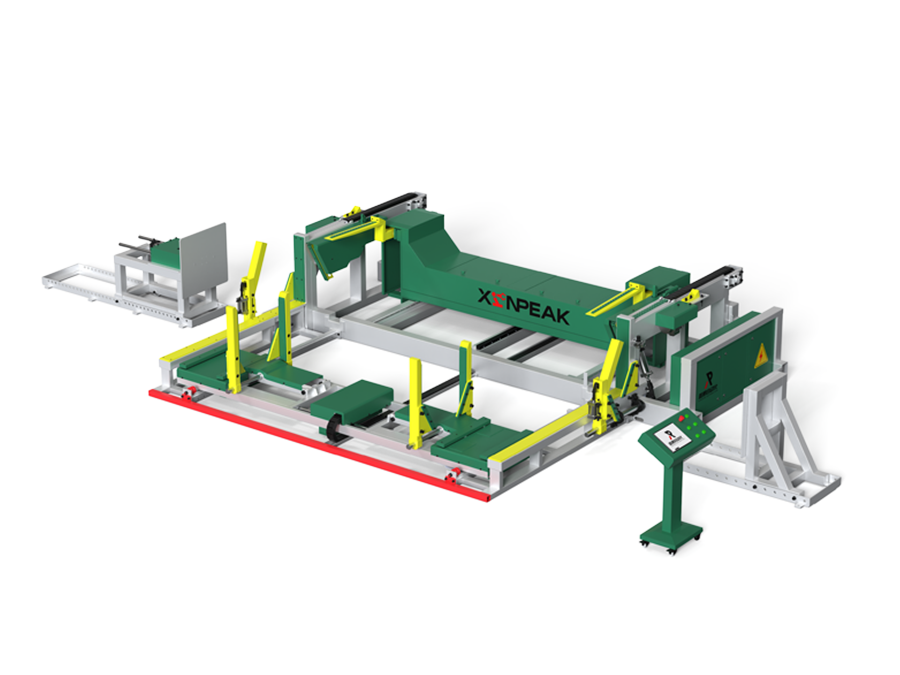
Recently, Cangzhou Xinpeng Intelligent Equipment Co., Ltd. announced that the research and development of its new steel pipe automatic palletizer has been successfully completed. This achievement not only marks another major breakthrough for the company in the field of intelligent manufacturing, but also brings a new automation solution to steel pipe production and related industrial fields.
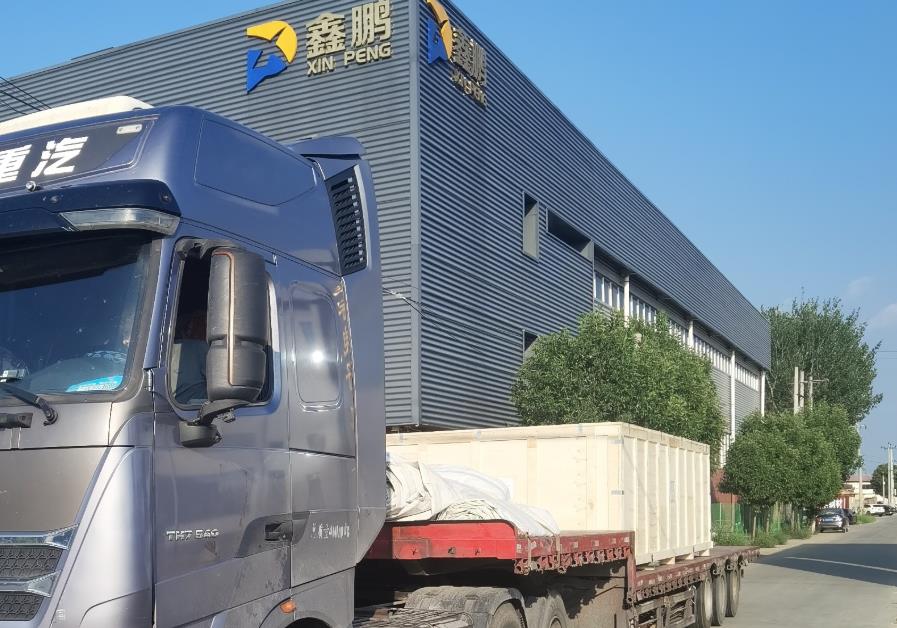
The steel pipe automatic palletizer produced by Cangzhou Xinpeng Intelligent Equipment Co., Ltd. is shipped to Vietnam.
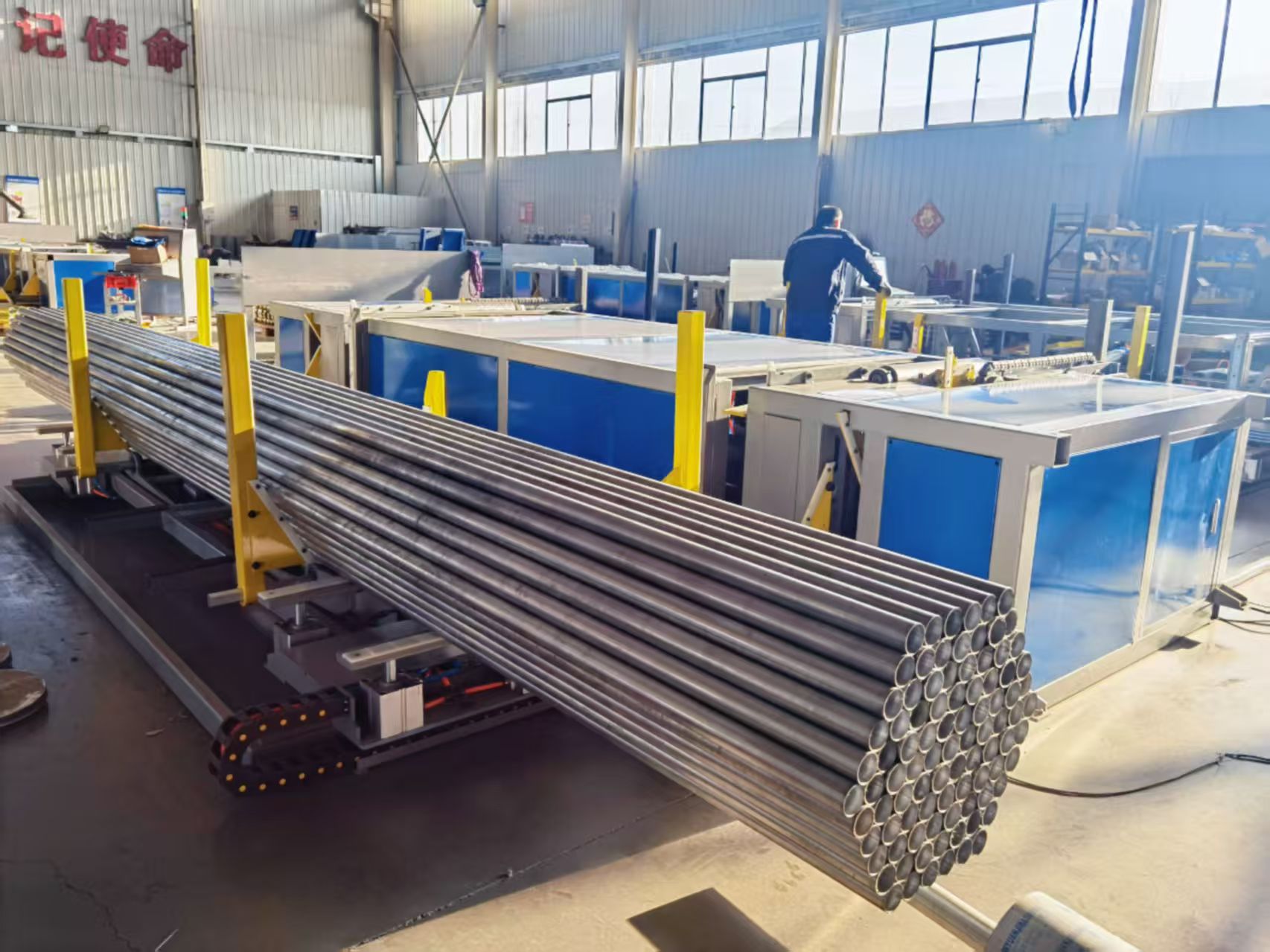
Automatic Tube Palletizer: A Core Device in Industrial Automation I. Device Definition and Core Functions An automatic tube palletizer is an automated device designed for round tubes (such as steel, stainless steel, and plastic tubes). It utilizes a robotic arm, sensors, and control systems to automatically grasp, transport, stack, and strap tubes.
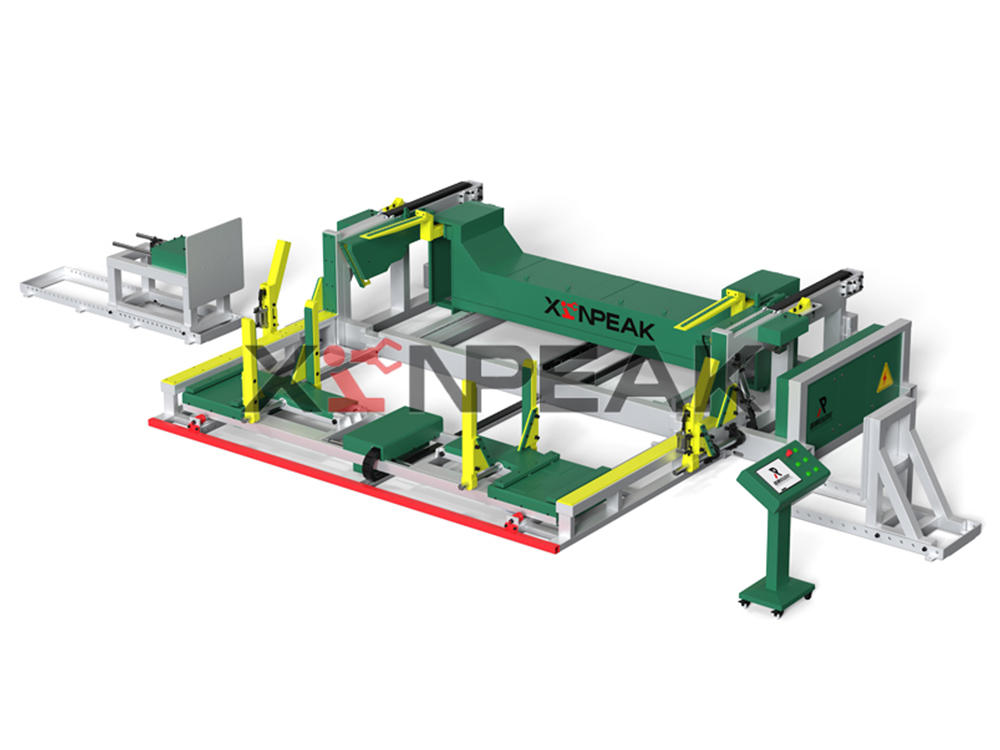
The operating principle of a steel pipe palletizer is primarily based on pre-set program control and mechanical kinematics. Through the coordinated operation of actuators, control systems, and sensors, it automatically grasps, moves, and stacks steel pipes. The following is a detailed description:
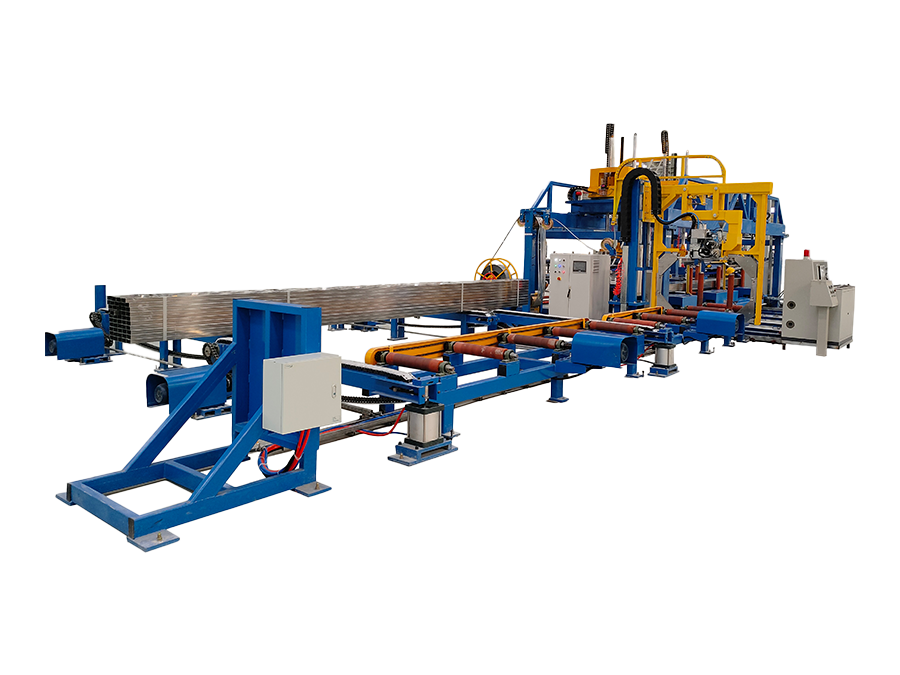
Automatic steel pipe palletizers offer high palletizing efficiency, typically ranging from 600 to 1,300 palletizers per hour. This efficiency is influenced by factors such as the machine model
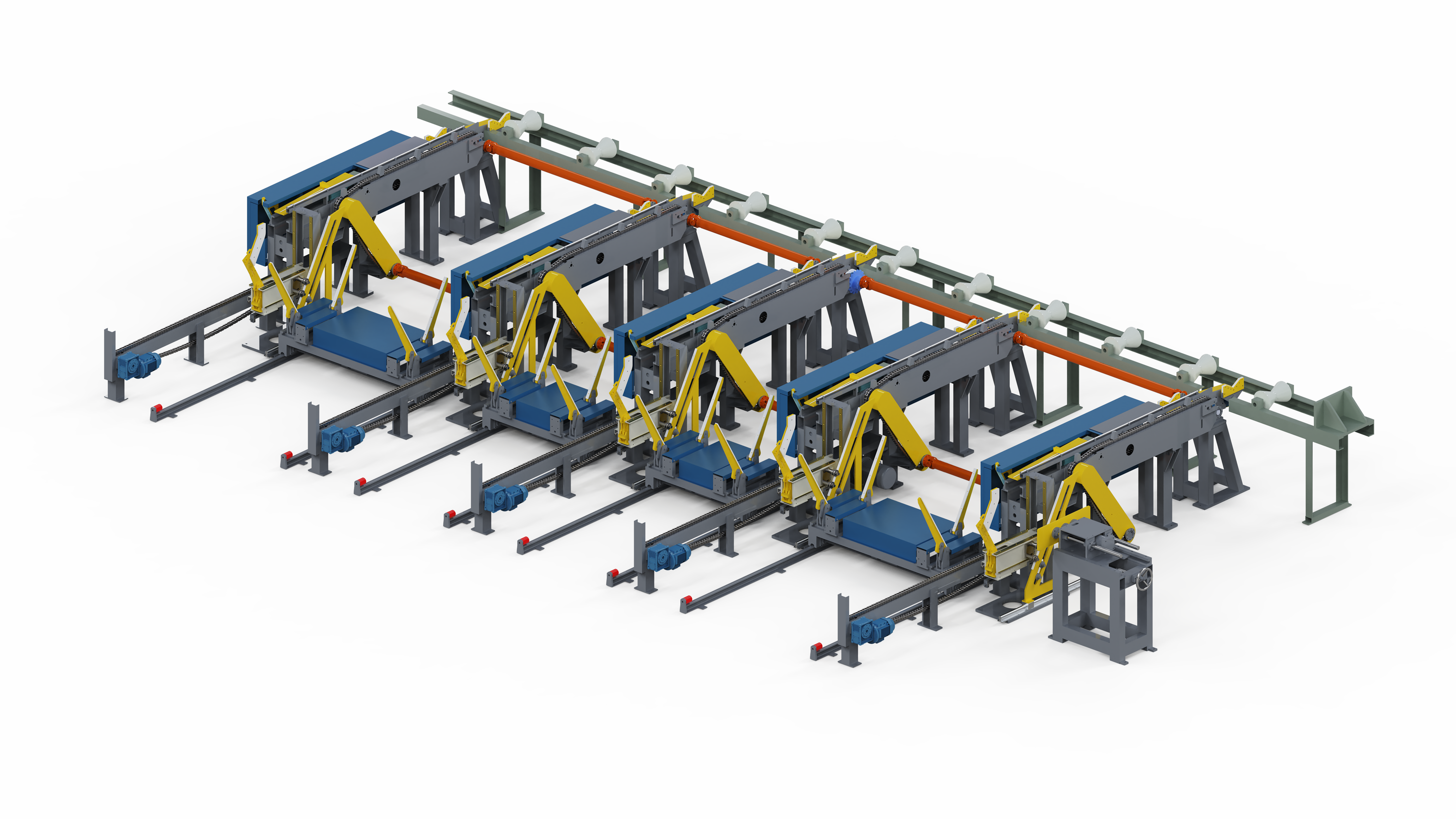
When using a steel pipe palletizer, comprehensive management is required, including operational specifications, equipment maintenance, safety precautions, environmental adaptation
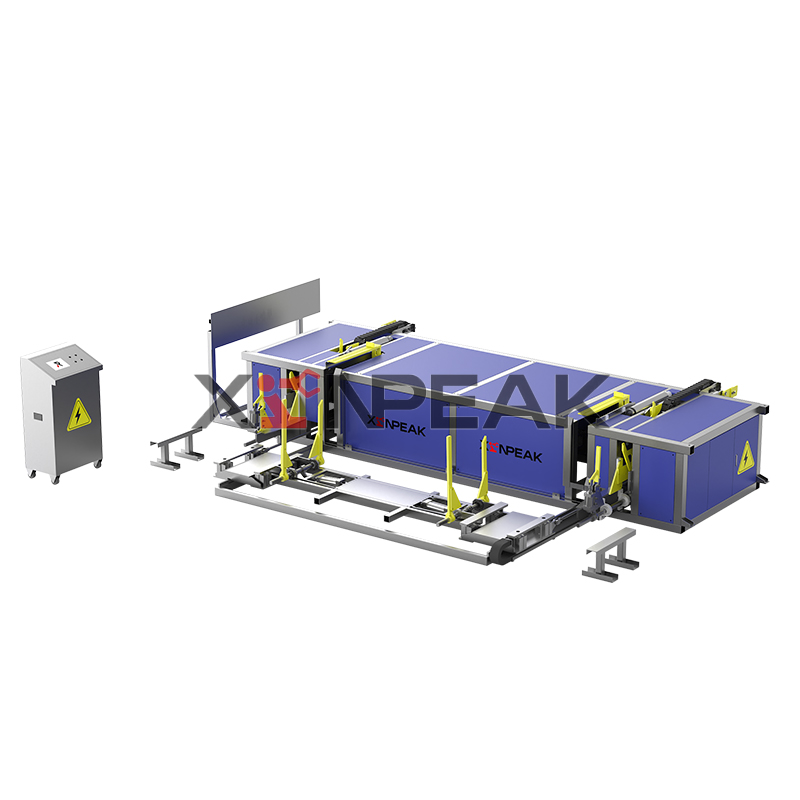
When selecting a steel pipe palletizer, prioritize models equipped with intelligent path planning, high-precision sensors, and lightweight, high-strength robotic arms. Ensure seamless integration with upstream and downstream equipment (such as conveyors and AGVs)
The round and square tube palletizer is an automated palletizing machine designed for round and square tubes. Through the coordinated operation of a magnetic suction device, conveyor rollers, and palletizing rollers
Customized solutions for automatic steel pipe palletizers must be centered around five core elements: equipment selection, functional configuration, technical specifications, service guarantees, and cost control
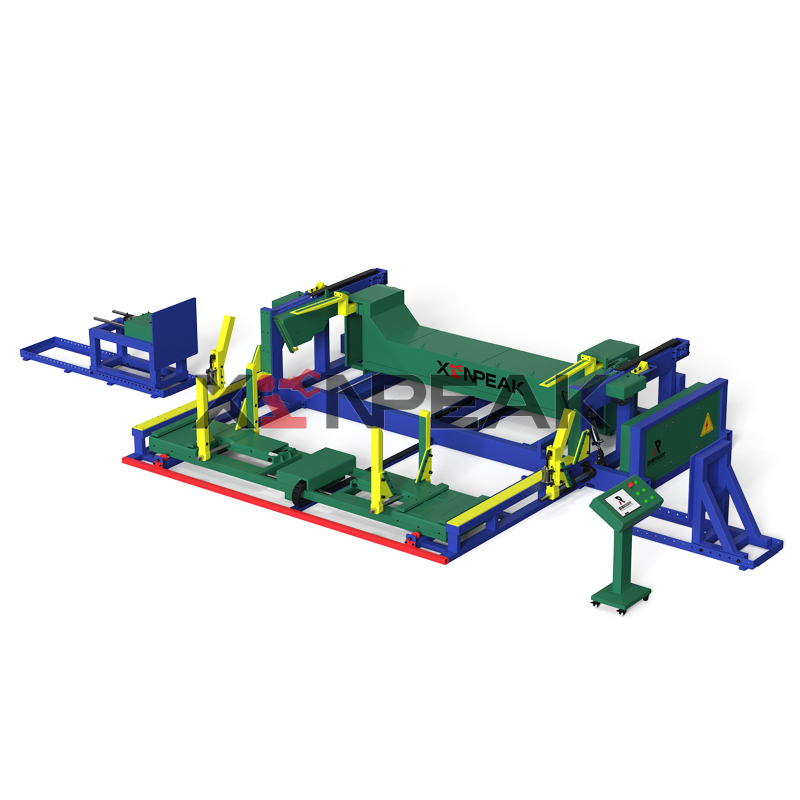
Automatic steel pipe palletizers generally can stack from one to multiple layers. The specific number of layers depends on the equipment model, design specifications, and actual application requirements. The following is a detailed analysis:
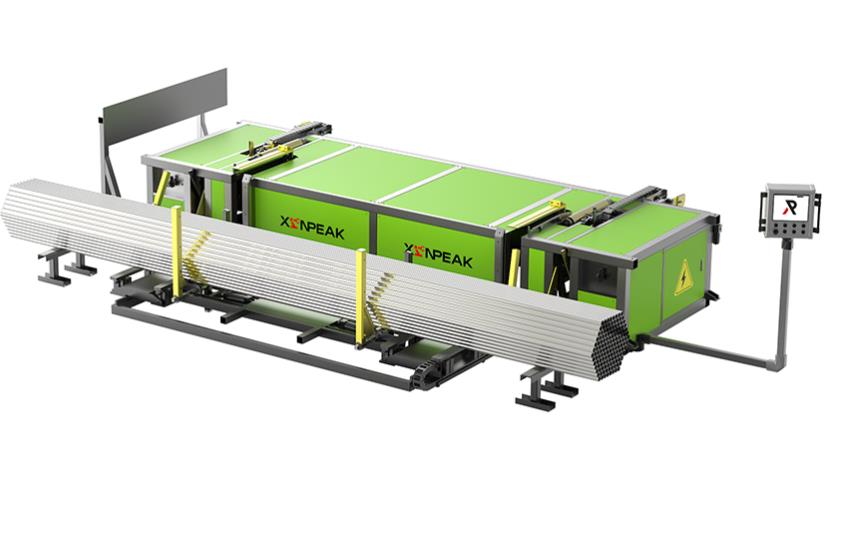
When selecting an automatic steel pipe palletizer, it's important to comprehensively consider multiple factors, including production requirements, equipment performance, budget, and after-sales service. The following are specific recommendations:
The price of automatic steel pipe palletizers is influenced by a variety of factors, including equipment type, brand, technical configuration, load capacity, functional modules, production process
The Galvanized Pipe Palletizer is an efficient, stable, and flexible automated machine designed specifically for palletizing and bundling galvanized pipes and other steel pipes. It excels in improving production efficiency
Automatic steel pipe palletizers offer exceptional efficiency, significantly improving production efficiency, reducing labor costs, and adapting to diverse production needs. This is reflected in the following aspects:
This universal palletizer for square and round pipes is an automated palletizing machine capable of handling steel pipes of varying cross-sectional shapes, including both square and round pipes.
Automatic palletizers for round steel pipes typically achieve 5-10 times the palletizing efficiency of manual workers. In a 24-hour operation scenario, one device can replace more than 12 workers. The following is a detailed analysis:
When selecting a steel pipe palletizer, it's important to comprehensively consider the following key points to ensure the equipment meets production needs and operates efficiently and stably:
The core components of a steel pipe palletizer primarily include actuators, control systems, sensors, power and transmission systems, and safety devices. These components work together to automatically grasp, move, and stack steel pipes. The following is a detailed description:
The servo motor steel pipe palletizer utilizes a servo motor drive, combined with an intelligent control system and precision mechanical structure, to efficiently and effectively handle, stack, and package steel pipes.
Pipe palletizers are suitable for handling a variety of pipe materials, primarily steel, plastic, and PVC pipes. The following is a detailed description: Steel Pipe:
The operation of a steel pipe palletizer covers four core aspects: pre-operation preparation, operating procedures, safety precautions, and maintenance. Details are as follows: I. Pre-operation Preparation
The palletizer's intelligent stacking technology utilizes core technologies such as 3D dynamic algorithms, adaptive gripping, edge alignment, multi-arm collaboration, and AI self-learning
Steel Pipe Palletizer Selection and Maintenance Recommendations I. Purchasing Recommendations Clearly Determine Your Needs and Load Capacity
The design concept for steel pipe palletizers must focus on efficiency, stability, intelligence, safety, and scalability, taking into account the physical characteristics of steel pipes (such as their long shape, easy rolling, and heavy weight) and actual production requirements (such as automated connection, space utilization, and adaptability to multiple specifications)
When using a steel pipe palletizer, comprehensive management is required, including operational specifications, equipment maintenance, safety precautions, environmental adaptation
Automated steel pipe palletizers replace manual operations with automated technology, demonstrating significant advantages in efficiency, cost, quality, safety, and flexibility. They are a crucial upgrade option for steel pipe production, warehousing, and logistics.
Automated steel pipe palletizers are the ideal equipment for improving efficiency and reducing costs. They utilize automated technology to precisely handle, stack, and package steel pipes
The automatic steel pipe packaging machine is an automated mechanical device specifically designed for bundling steel pipes.
Maintaining a steel pipe palletizer is crucial to ensuring efficient and stable operation, extending its service life, and reducing failure rates. The following provides a systematic maintenance plan encompassing four key areas: daily maintenance, scheduled maintenance, specialized maintenance of key components, and environmental and safety maintenance. I. Daily Maintenance: Preventing Problems
The operating principle of a steel pipe palletizer is primarily based on pre-set program control and mechanical kinematics. Through the coordinated operation of actuators, control systems
Compared to manual palletizing, automatic steel pipe palletizers offer significant advantages in terms of efficiency, cost, quality, safety, flexibility, and data management. A detailed analysis is as follows:
Steel pipe manufacturers can improve palletizing efficiency through five key approaches: equipment optimization, process improvement, environmental management, personnel training, and technological innovation. Specific measures and analysis are provided below:
When selecting a steel pipe palletizer, you need to comprehensively consider multiple factors, including material properties, process requirements, equipment performance, space layout
Cleaning the vision sensor lens of a steel pipe palletizer is a critical step in ensuring the equipment accurately identifies and locates steel pipes. Dust, oil, or scratches on the lens can reduce image clarity, leading to palletizing errors or failed grasping.
Palletizers integrate mechanical structures, sensor technology, control systems, and automated algorithms to automate the entire process of conveying, gripping, stacking, and packaging steel pipes
By integrating mechanical, electrical, intelligent control, and sensor technologies, automatic steel pipe palletizers automate the entire steel pipe production and storage process. Their technical advantages are reflected in multiple dimensions
As a key equipment in the field of industrial automation, the development trend of steel pipe palletizing machine is evolving towards intelligence, high speed, modularity, lightweight, energy saving and environmental protection
The intelligent warehouse steel pipe palletizer is designed specifically for the automated storage of steel pipes. It features high efficiency, precision, and safety, significantly improving warehouse efficiency and reducing operating costs.
A welded pipe palletizer is a machine specifically designed for the automated palletizing of welded pipes. Its core function is to efficiently and accurately stack pipes, improving production efficiency
The core features of automatic steel pipe palletizers are reflected in their high efficiency, precision, flexibility, stability, safety, intelligence, and environmental protection and energy conservation.
Automatic steel pipe palletizers use automation technology to efficiently and accurately stack steel pipes. They are widely used in scenarios requiring improved production efficiency, reduced labor costs
When selecting a steel pipe palletizer, prioritize models equipped with intelligent path planning, high-precision sensors, and lightweight, high-strength robotic arms. Ensure seamless integration with upstream and downstream equipment (such as conveyors and AGVs)
Common faults that may occur during the operation of steel pipe palletizers and their troubleshooting methods are as follows:
The automatic steel pipe palletizer achieves automation, efficiency, and precision palletizing of steel pipes through the collaborative work of the conveying system, identification and positioning system
The technical composition and principle of the automatic steel pipe palletizing machine can be summarized as follows: 1、 Technical composition
The working principle of an automatic steel pipe palletizer relies on the coordinated efforts of actuators, control systems, and sensors. Pre-programmed, it automatically grasps, moves, and stacks steel pipes. This principle can be broken down into the following steps:
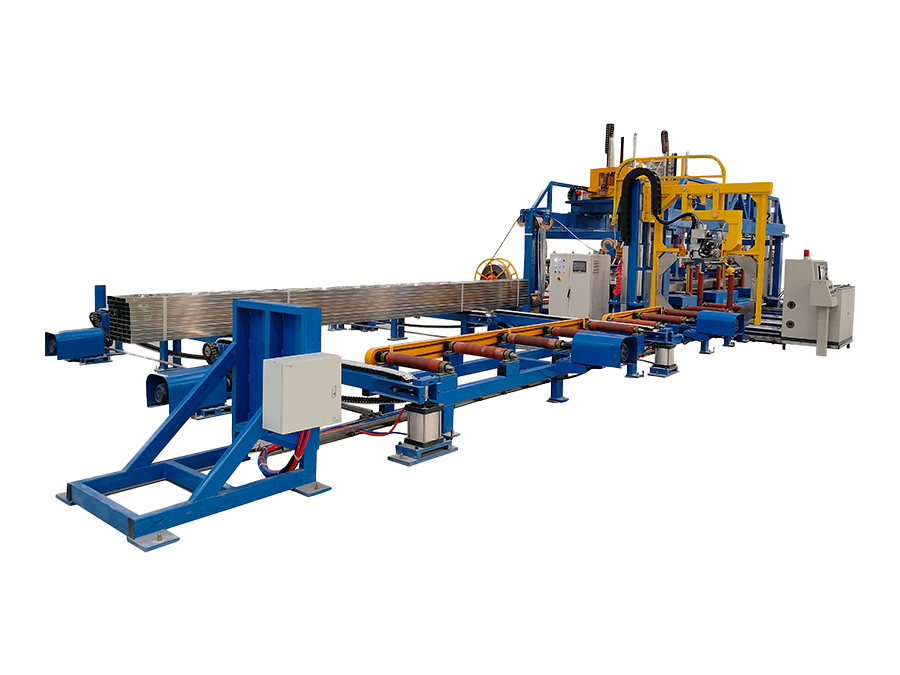
The automatic steel pipe bundling and palletizing machine is an automated device that combines the functions of bundling and palletizing steel pipes. The following provides a detailed introduction to the machine from five aspects
The automatic steel pipe palletizer completes its packaging tasks through automatic loading, alignment, counting and collecting, row-by-row transverse movement, row-by-row loading
A pipe palletizer is a type of automated equipment specifically designed for automatically handling and stacking pipes (such as steel pipe, plastic pipe, and PVC pipe). It is widely used in steel pipe production plants
As a key equipment on modern industrial automation production lines, the steel pipe palletizer has a wide range of functional configurations aimed at achieving efficient, precise, and safe palletizing operations.
The automatic palletizing machine for steel pipe bundling is an automated equipment that integrates the functions of steel pipe conveying, automatic bundling, and palletizing forming. It is widely used in steel pipe production, warehousing
Steel pipe palletizing machine is a specialized equipment for automatic palletizing of steel pipes, which can achieve automatic handling, stacking, and packaging of steel pipes, significantly improving production efficiency and reducing labor costs
The steel pipe palletizer can handle a wide range of steel pipe lengths, with common equipment capable of handling steel pipes ranging from 4.5 meters to 16 meters in length. Some customized equipment can even support longer steel pipe processing needs
Introduction to Automatic Stacking and Packaging Machine for Steel Pipes
As a key equipment for automated logistics and production packaging, pipe palletizing machines are playing an increasingly important role in the steel pipe industry. It is not only a mechanical replacement for manual handling
Analysis of automatic palletizing machine for welded pipes1、 Core functions and values
Longmen type pipe automatic palletizing machine: a powerful assistant for intelligent warehousing
Steel pipe palletizing machine is an automated equipment designed specifically for steel pipe production. It uses mechanical arms, magnetic suction devices, or sensors to automatically grasp
The automatic steel palletizer is an automated equipment designed specifically for steel production, processing, or storage. Its core function is to achieve automatic grabbing, handling, stacking,
The automatic pipe stacking machine is a specialized equipment designed for the automated storage needs of pipes (such as steel pipes, round pipes, square pipes, etc.). Through the coordination of mechanical structure
The steel pipe palletizer is a specialized mechanical device used for automated organization, stacking, and handling of steel pipes, falling under the category of logistics equipment in the field of industrial automation.
Steel pipe palletizer: the core equipment for automated steel pipe processing
Contact Us
You can contact us through the following four methods. We will reply to your inquiry within 2-8 hours after receiving it!
Call Us
Send Email
Leave a Message
Add WeChat or WhatsApp